
After a dental extraction, the mouth remains sensitive for several days. The wound requires a soft, warm or cold diet that does not stress the operated area. Recent recommendations emphasize a window of three to seven days of very soft food before gradually resuming firmer textures. Here are ten concrete meals, easy to prepare, that cover nutritional needs without compromising healing.
1. Chilled Vegetable Soup
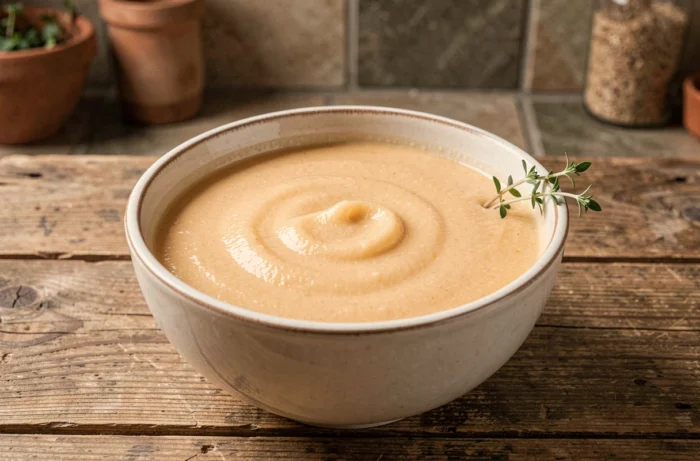
Blended vegetable soup is the most commonly recommended meal after a dental procedure. Zucchini, carrot, pumpkin, or broccoli, blended until smooth, provide fiber and vitamins without any chunks that could get lodged in the wound.
A point that appears in several recent guides is: the soup should be warm or chilled, never hot. High temperatures can disturb the blood clot that protects the socket and increase inflammation. Allow the soup to cool to room temperature before consuming it, using a spoon rather than drinking directly from the bowl.
To find a meal idea after dental extraction when time is short, a soup prepared in large quantities can be stored for two days in the refrigerator and gently reheated at mealtime.
2. Creamy Scrambled Eggs
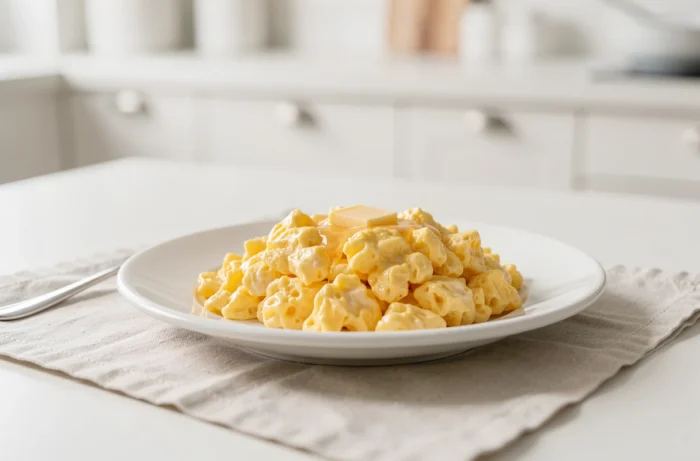
Scrambled eggs cooked over very low heat offer a soft texture that requires almost no chewing effort. They are among the most accessible protein-rich foods after an extraction, a nutrient valued for supporting tissue recovery.
Add a small amount of butter or a drizzle of cream to make the texture even smoother. Avoid pepper or any irritating spices in the first few days. Preparation time is no more than five minutes, making it a realistic option even when post-operative fatigue sets in.
3. Plain or Vanilla Greek Yogurt
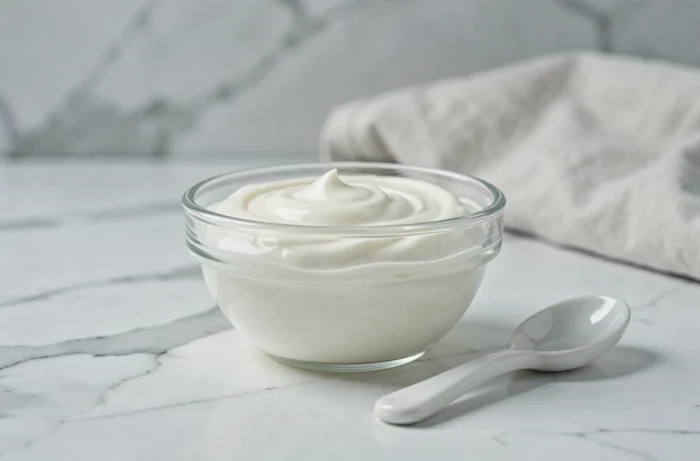
Greek yogurt, thicker and richer in protein than regular yogurt, is eaten cold and requires no preparation. Its creamy texture glides without rubbing against the operated area.
The vanilla version adds a pleasant taste without excessive acidity. However, avoid yogurts containing fruit chunks or crunchy cereals, which could irritate the wound or get stuck in the socket. Consumed fresh, yogurt also helps soothe local inflammation due to its low temperature.
4. Butter Mashed Potatoes
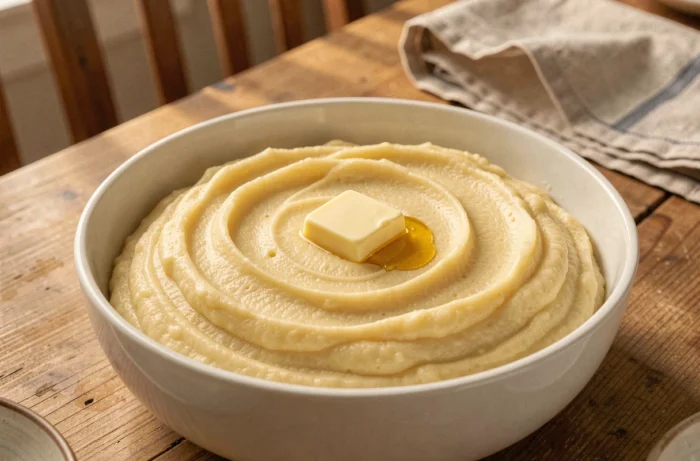
Homemade mashed potatoes, well-mashed or passed through a ricer, make for a filling and comforting meal. They provide carbohydrates and can be paired with a bit of melted cheese or cream to vary the flavors.
Wait for them to cool before eating. A piping hot mash poses the same risk as soup that is too hot for the blood clot. Allow about ten minutes to cool after cooking.
5. Protein Smoothie without a Straw
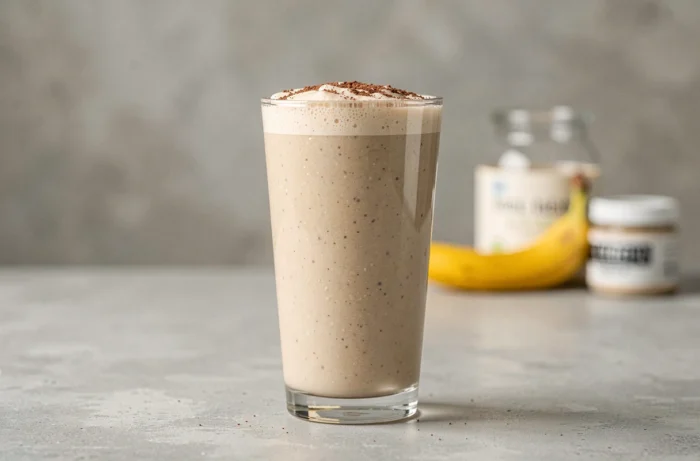
A smoothie made with banana, milk or plant-based drink, and a source of protein (cottage cheese, smooth peanut butter, protein powder) offers a complete meal in liquid form. Adding soft fruits like mango or berries boosts vitamin intake.
The use of a spoon rather than a straw is now explicitly recommended in several guides. The suction created by the straw can dislodge the clot and cause dry socket, a painful complication to avoid at all costs.
6. Homemade Fruit Compote
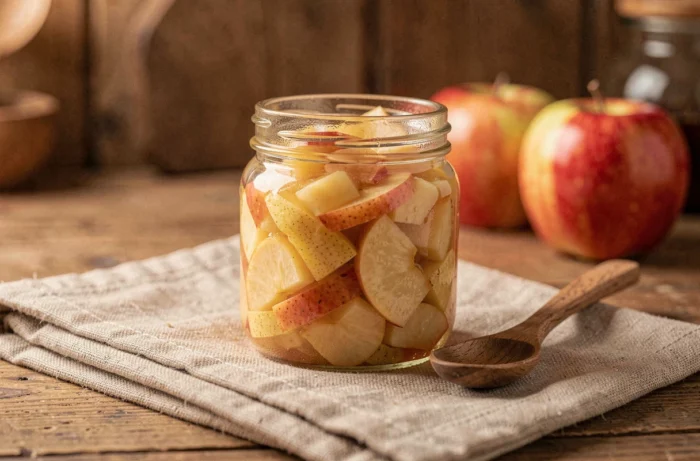
Apple, pear, peach: these cooked and blended fruits create a smooth, naturally sweet compote, posing no mechanical risk to the mouth. It can be prepared in large quantities and stored for several days in the refrigerator.
Be sure to avoid compotes containing seeds or pits (raspberry, fig). These small particles can infiltrate the wound and complicate healing. A well-filtered compote remains the safest option for a dessert or snack.
7. Plain Silken Tofu
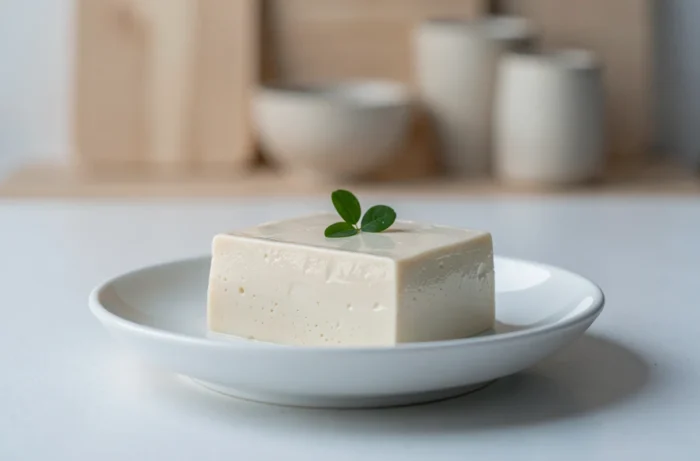
Silken tofu has a consistency similar to flan. It can be eaten as is with a drizzle of light soy sauce, or slightly warmed. It is a source of plant-based protein suitable for a post-extraction diet for those who do not consume dairy products.
Its neutral taste allows it to be paired with various flavors: avocado puree, warm broth, sesame cream. No chewing is necessary; a simple press of the tongue against the palate is enough to mash it.
8. Poached and Flaked White Fish
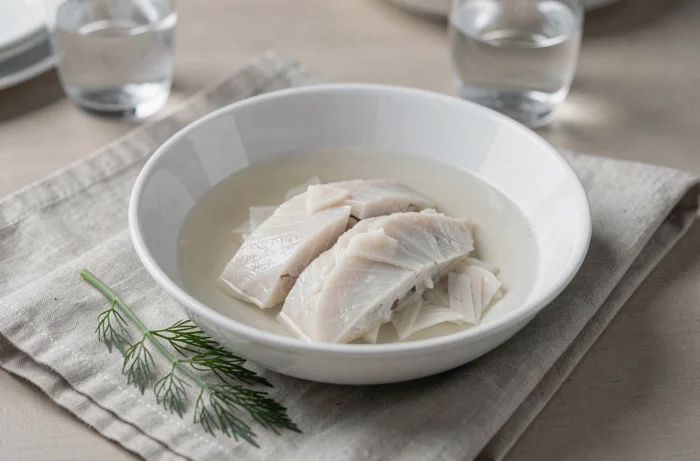
Cod, hake, or sole poached in a light broth flakes into tender pieces. This cooking method produces a melting flesh that requires almost no chewing, unlike grilled or breaded fish.
White fish provides quality protein and is easily digestible. Serve it warm with a drizzle of olive oil and a bit of mash for a complete meal. Obviously, avoid bones and any spicy seasoning.
9. Chocolate Dessert Cream
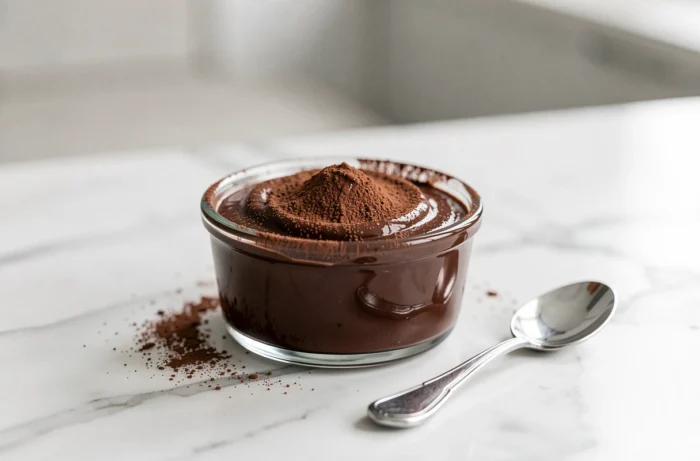
A chocolate dessert cream, homemade or store-bought, brings gustatory pleasure during a time when meals may seem monotonous. Its smooth and cold texture makes it a comfortable food for the mouth.
Chocolate, often absent from classic post-operative food lists, poses no particular problem as long as it is incorporated into a creamy preparation. Crunchy textures remain the only ones to avoid, not the flavors. Prefer a cream without nut pieces or shavings.
10. Cottage Cheese with Fresh Herbs
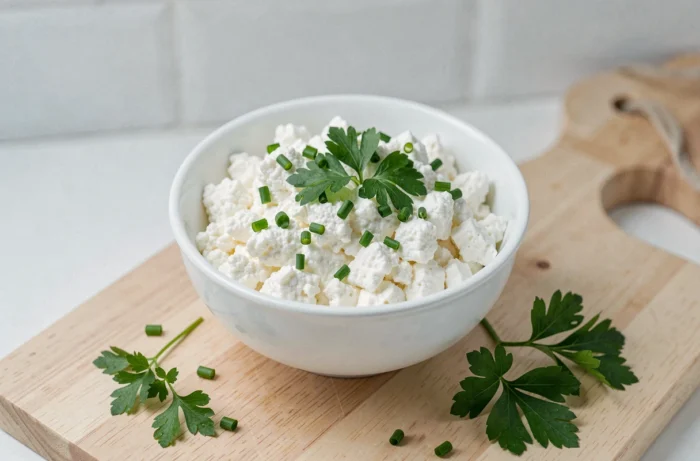
Cottage cheese offers a grainy yet soft texture, easy to swallow without effort. Rich in protein and calcium, it supports the healing of oral tissues while varying the intake compared to yogurt.
Add finely chopped fresh herbs (chives, parsley) to enhance the flavor without irritating the wound. Avoid versions with cracked pepper or crunchy onions. Served fresh, it is a light meal suitable for the first days as well as the transition phase to more substantial foods.
The resumption of a normal diet after an extraction depends on healing, which varies from person to person. The transition to firmer textures is gradual, conditioned by the absence of pain. If in doubt about a food, the rule remains simple: if the mouth protests, return to soft foods for a few more days.